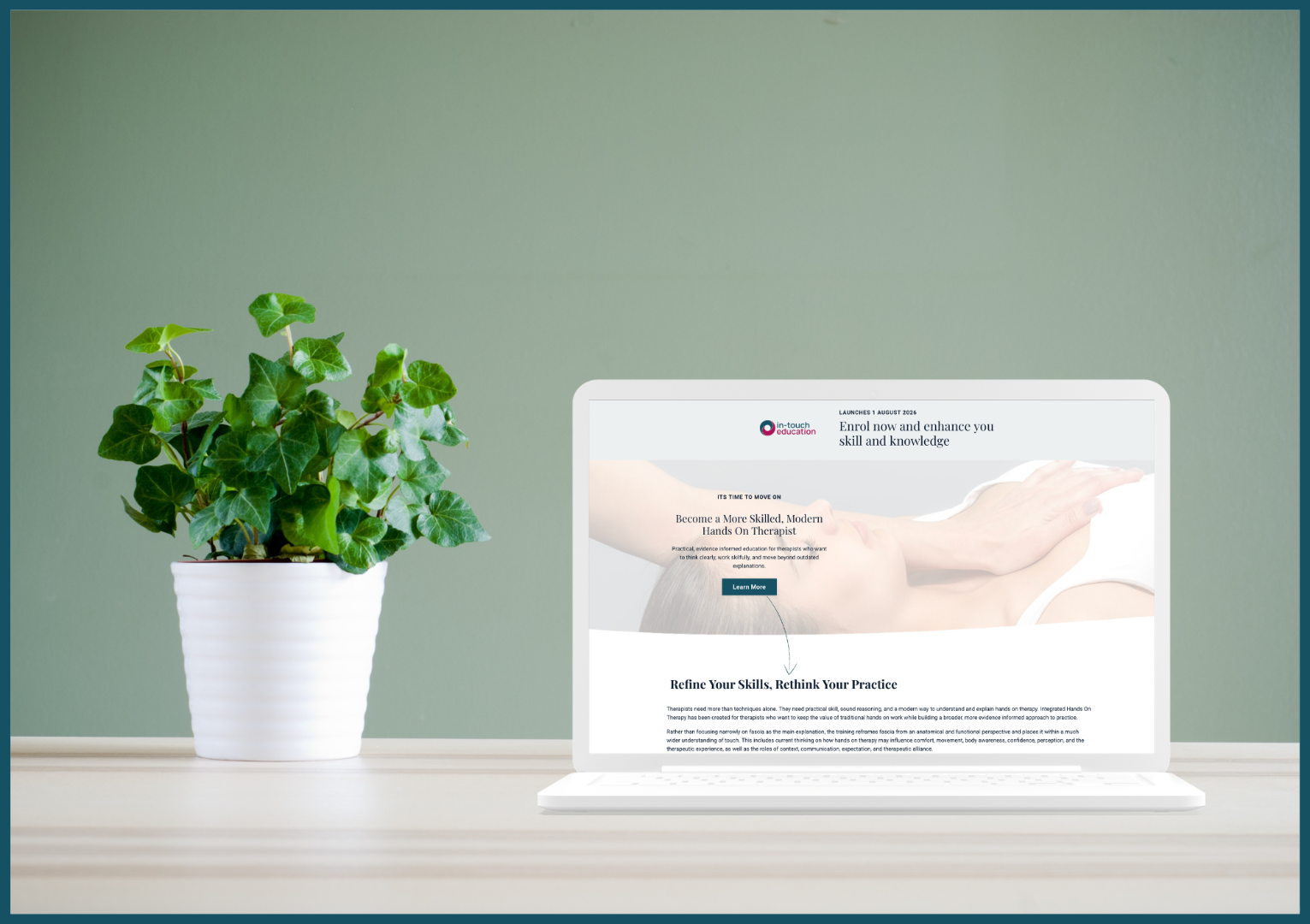
Enrol now and enhance you skill and knowledge
Become a More Skilled, Modern Hands On Therapist
Practical, evidence informed education for therapists who want to think clearly, work skilfully, and move beyond outdated explanations.
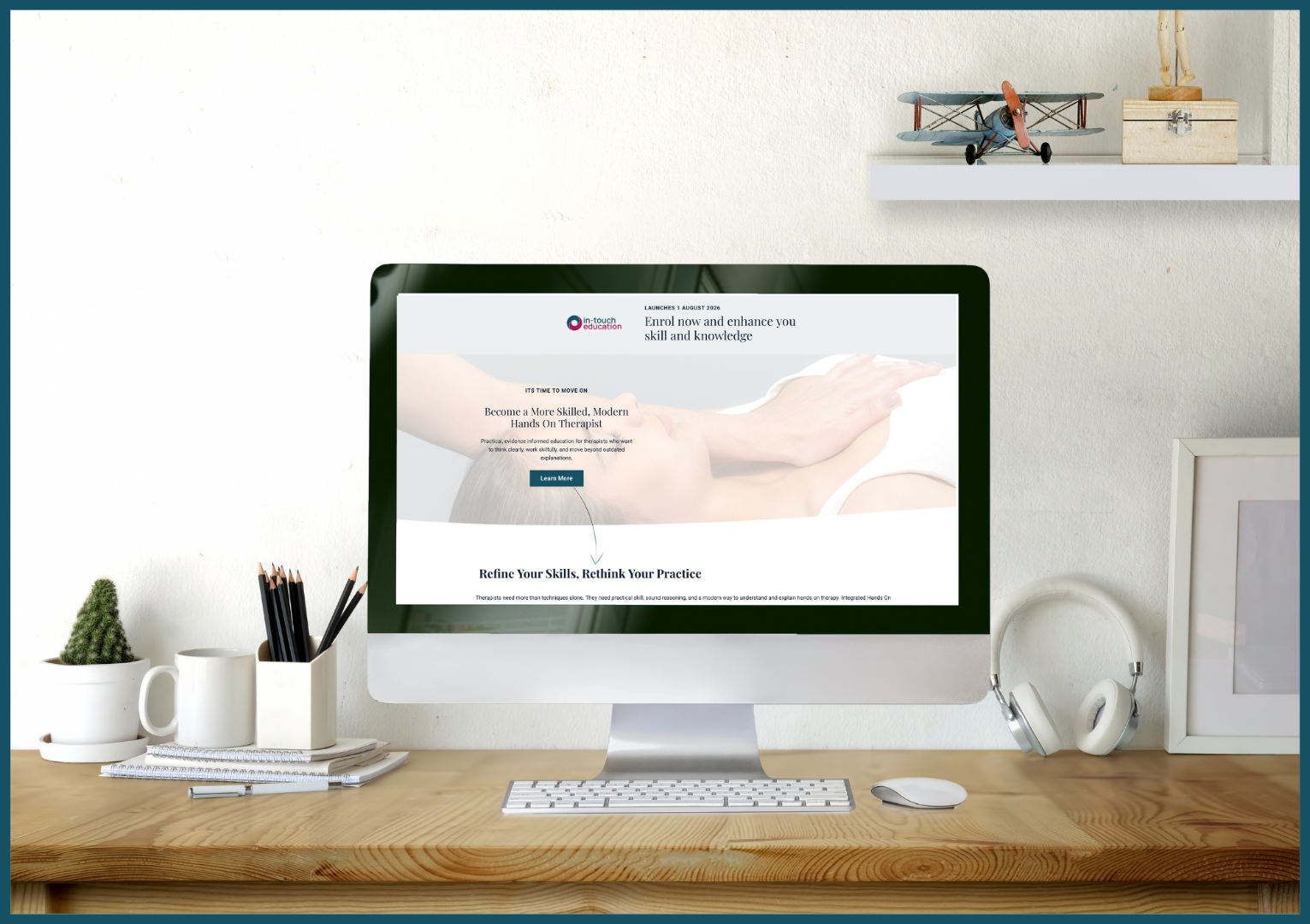
Learn MoreTherapists need more than techniques alone. They need practical skill, sound reasoning, and a modern way to understand and explain hands on therapy. Integrated Hands On Therapy has been created for therapists who want to keep the value of traditional hands on work while building a broader, more evidence informed approach to practice.
Rather than focusing narrowly on fascia as the main explanation, the training reframes fascia from an anatomical and functional perspective and places it within a much wider understanding of touch. This includes current thinking on how hands on therapy may influence comfort, movement, body awareness, confidence, perception, and the therapeutic experience, as well as the roles of context, communication, expectation, and therapeutic alliance.
The programme supports professional growth by helping you think more clearly about what you are doing, adapt more effectively to the individual in front of you, and explain your work in ways that are grounded, credible, and clinically useful. On completion, you will receive your course certificate and can choose to be listed in our practitioner directory on the website.
Build Your Skills, Strengthen Your Reasoning, Expand Your Practice
Created for therapists who want more than technique alone, the programme helps you develop practical skill alongside stronger clinical reasoning, better communication, and a broader understanding of what hands on therapy may offer. Rather than placing fascia at the centre of the explanation, the training reframes it within anatomy and function, then widens the perspective to include touch, body perception, comfort, movement, context, expectation, and therapeutic alliance.
This programme recognises that many therapists are already thinking more critically. They are questioning traditional narratives, engaging more confidently with research, and looking for ways to practise that are both clinically useful and professionally credible. Integrated Hands On Therapy is designed to build on that foundation, helping you critique information more competently, move beyond rigid protocols, and develop a more collaborative, person centred approach to care.
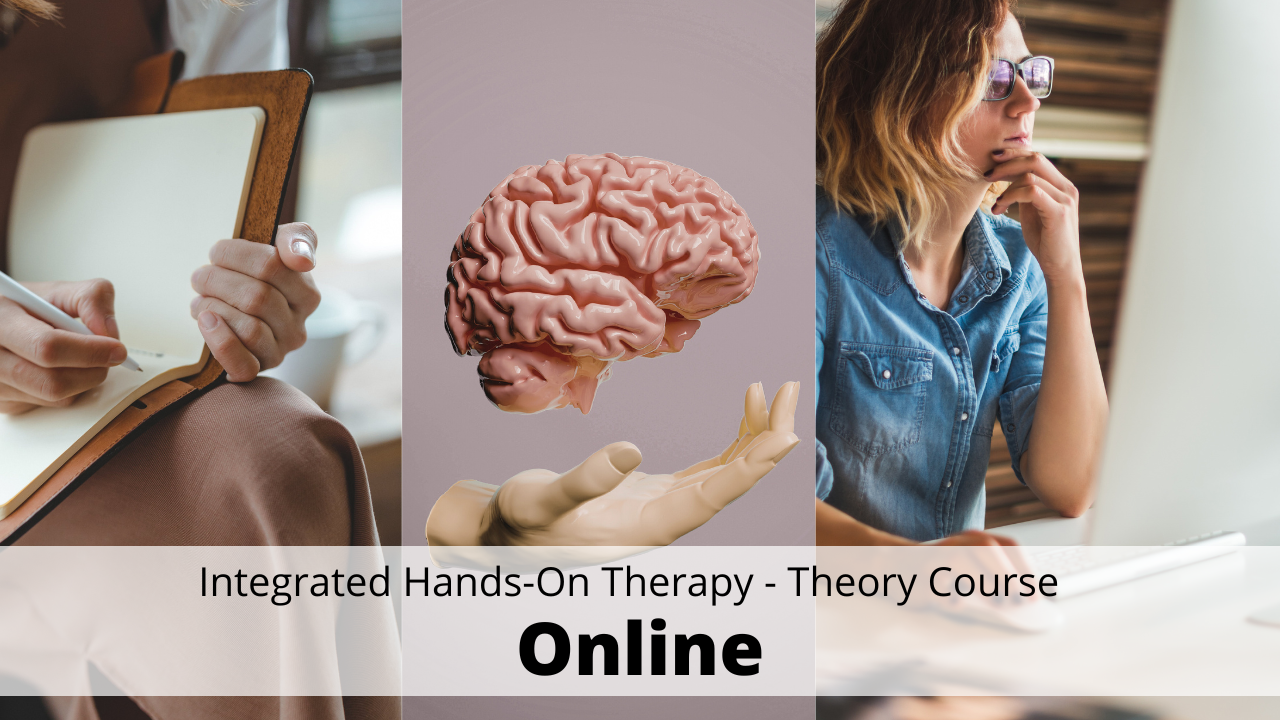
The flexible structure means you can study in the way that works best for you. Therapists can attend the in-person workshops or purchase the online theory content separately. They can also choose the full blended programme for the most complete learning experience.
With supported self study, live practical workshops, ongoing guidance, and the option to choose the venue that suits you best, the learning experience is designed to be flexible, thorough, and directly relevant to practice. On completion, you will receive your course certificate for insurance and CPD purposes.
A Course For The Modern Influential Therapist!
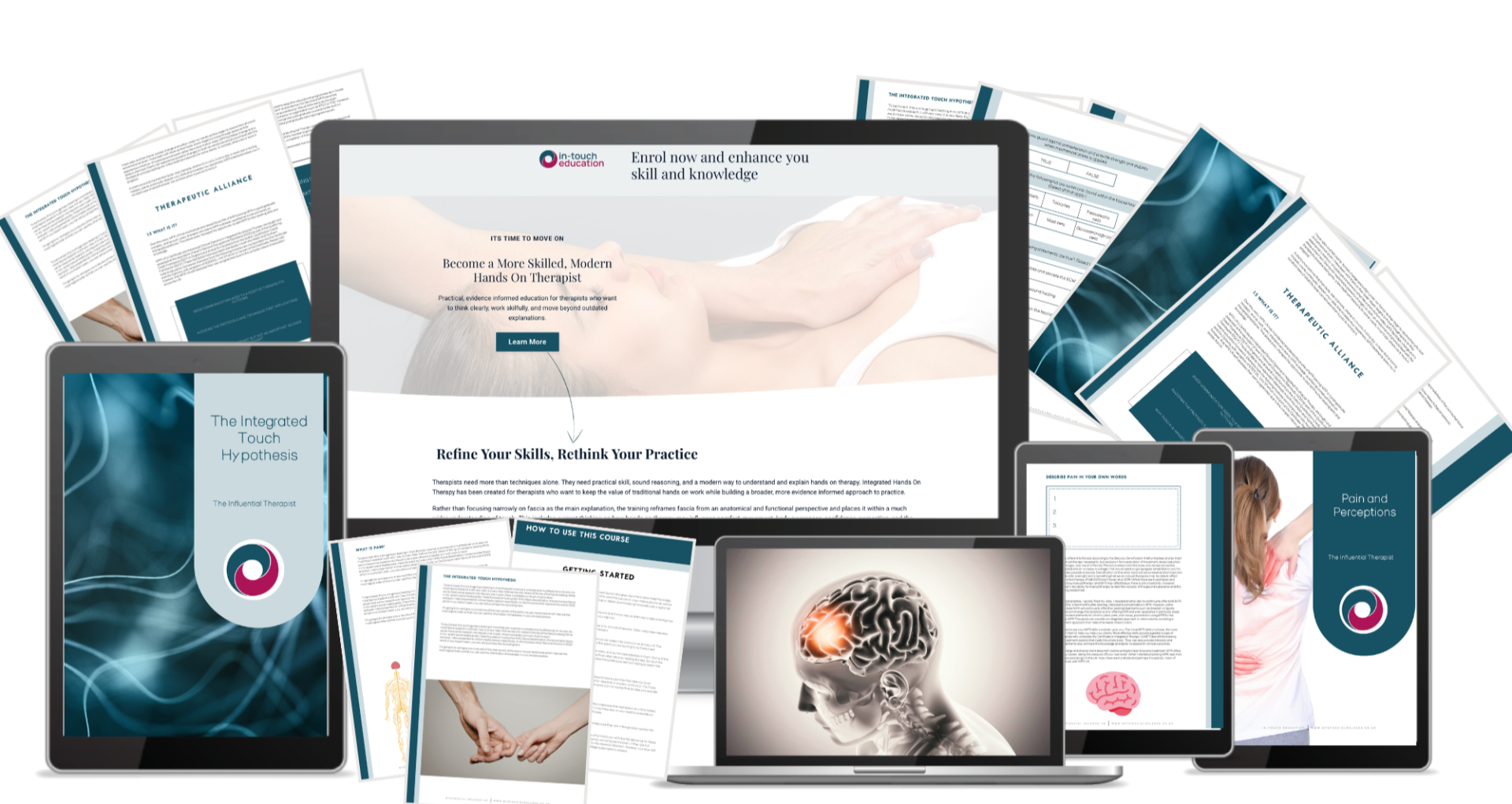
With more than 25 years' experience in delivering high quality training courses worldwide
The programme covers subjects including chronic and persistent pain, touch in therapeutic care, clinical communication, and modern evidence informed hands on practice. Throughout the course, students will have access to ongoing support, both online and in person, to help deepen understanding, strengthen practical application, and support progress through the training.
25 Years Experience

Author of 'A Massage Therapists Guide To Pain, Touch and Perception.'

Professional Education
Course Introduction
This unit introduces the course, explains the learning materials, and outlines how the training supports you as a therapist.
In UNIT ONE, you’re going to learn:
- An introduction to the course
- The training philosophy and approach
- How to use your workbooks and learning materials
- How you progress through the training
The Science of Touch
This unit explores why touch matters, how it is detected, and how touch information is carried and interpreted.
In UNIT 2, you’re going to learn:
- Tactile discrimination and sensory mapping
- C tactile afferents and affective touch
- How touch reaches the brain
- Touch, meaning, and response

Perception and Meaning
This unit examines how perception, expectation, experience, and belief shape symptoms, responses, and the wider therapeutic experience.
In UNIT 3, you’re going to learn:
- Perception is active, not passive
- Expectation, prediction, and belief
- A biopsychosocial view of care
- Symptoms are shaped by context

Alliance and Context
This unit focuses on therapeutic alliance, shared decision making, and contextual factors that influence trust, engagement, and outcomes.
In UNIT 4, you’re going to learn:
- Building therapeutic alliance
- Shared decision making in practice
- Context shapes therapeutic experience
- Touch is not the only factor

Pain and Emotion
This unit explores pain and emotion as lived experiences, and considers how touch may influence comfort, safety, and response.
In UNIT 5, you’re going to learn:
- Pain as a protective experience
- Emotion, meaning, and body response
- Touch, safety, and reassurance
- Supporting comfort without overclaiming
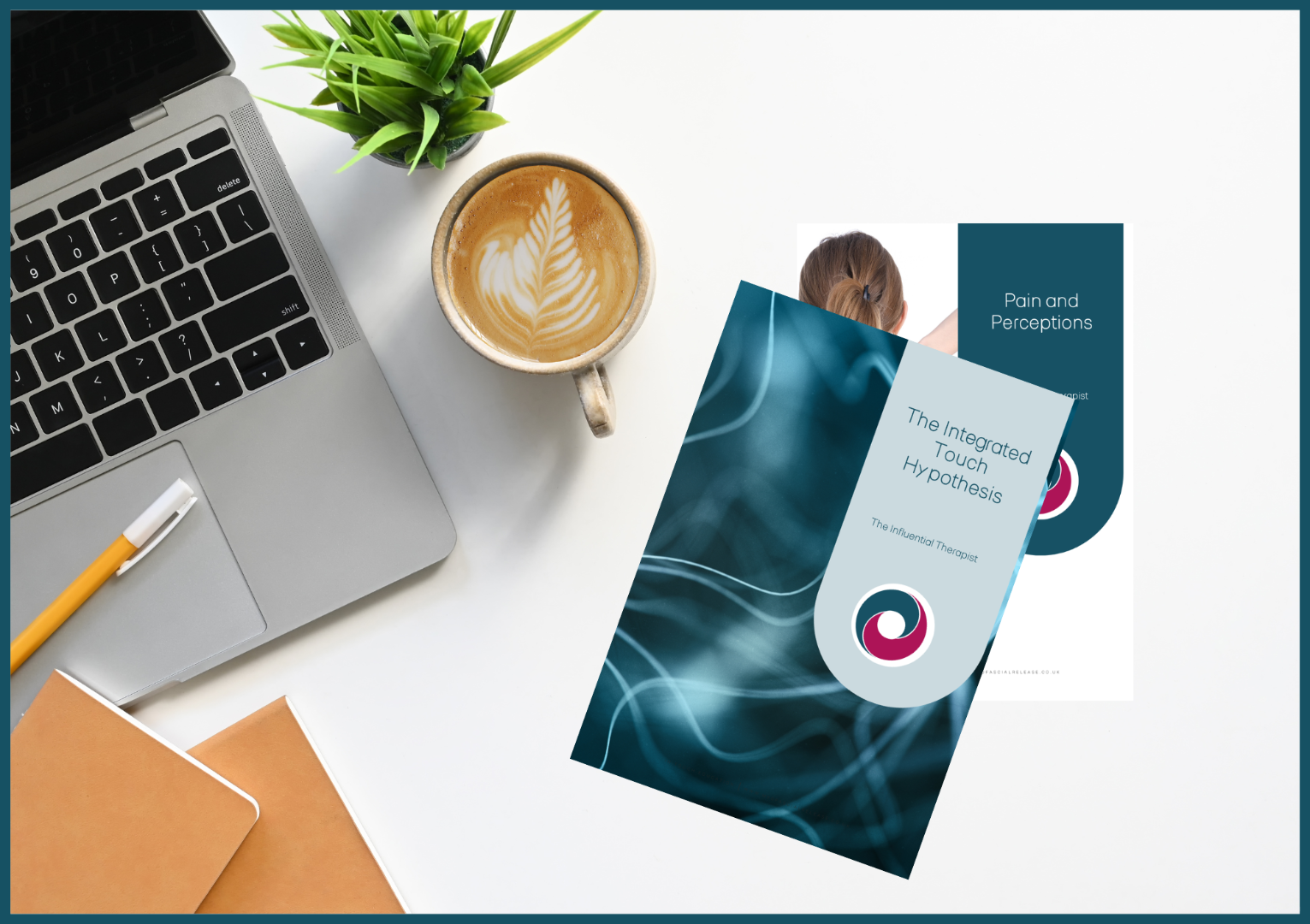
Integrated Touch Hypothesis
This unit explores pain and emotion as lived experiences, and considers how touch may influence comfort, safety, and response.
In UNIT 6, you’re going to learn:
- Descending modulation and analgesia
- Reward systems and prediction
- Placebo related mechanisms
- Why therapy is more than touch alone

Clinical Integration
This unit helps you apply the full model in practice through reasoning, communication, adaptation, and person centred care.
UNIT 7, you’re going to learn:
- Applying the model clinically
- Adapting touch to the individual
- Communicating clearly and credibly
- Making decisions with clients
Course Conclusion
This unit draws the learning together, supports reflection, and helps you integrate the course into everyday clinical practice.
UNIT 8, you’re going to learn:
- Reviewing key course themes
- Reflecting on clinical development
- Planning next steps in practice
- Bringing learning into work
Moving Practice Forward
Twenty years ago, fascia felt like the new frontier. It gave therapists a fresh way to think about the body and a language that seemed to explain why hands on work could be effective. That helped move the profession forward. But the science has moved on. The question now is not whether fascia matters, but whether it is enough on its own. We do not think it is. Our understanding of touch has widened, and with that comes a broader and more clinically useful view of what may be happening in treatment.
That is why our workshops are evolving. We are not stepping away from anatomy, tissue, or fascia. We are placing them within a wider perspective that also includes perception, expectation, belief, communication, therapeutic alliance, and the context in which care takes place. Therapists deserve better than older traditional narratives that leave them with more questions than answers in modern evidence informed practice. We are becoming less fascia centred and more client centred.
For us, this is a positive evolution. It keeps the value of touch, while placing it within a richer understanding of the client’s experience and the therapeutic relationship. We believe the modern therapist is one who can combine practical skill with clear reasoning, honest communication, and person centred care. If that feels like the direction you want to move in, we would love you to evolve with us.
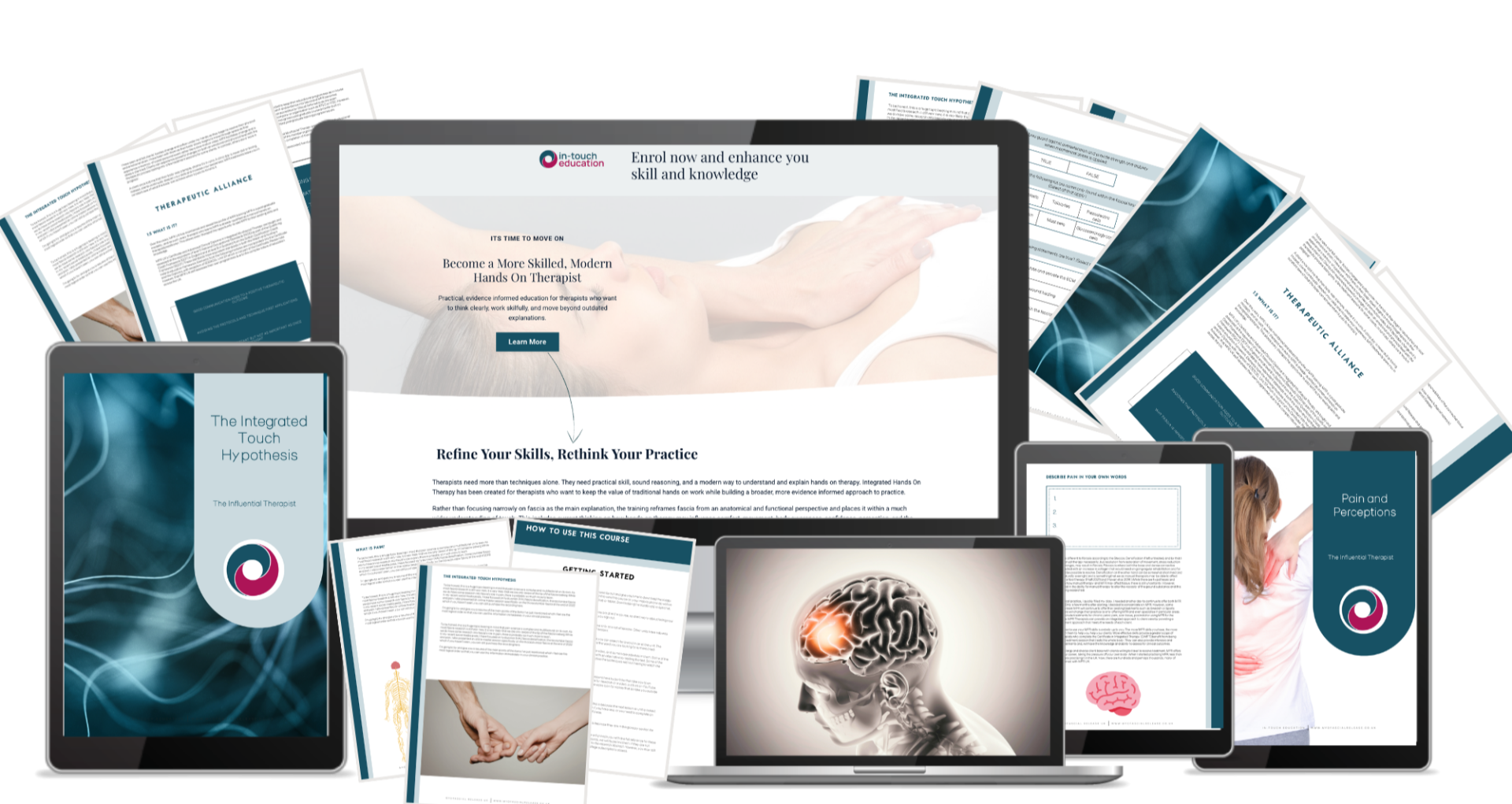
Workbooks
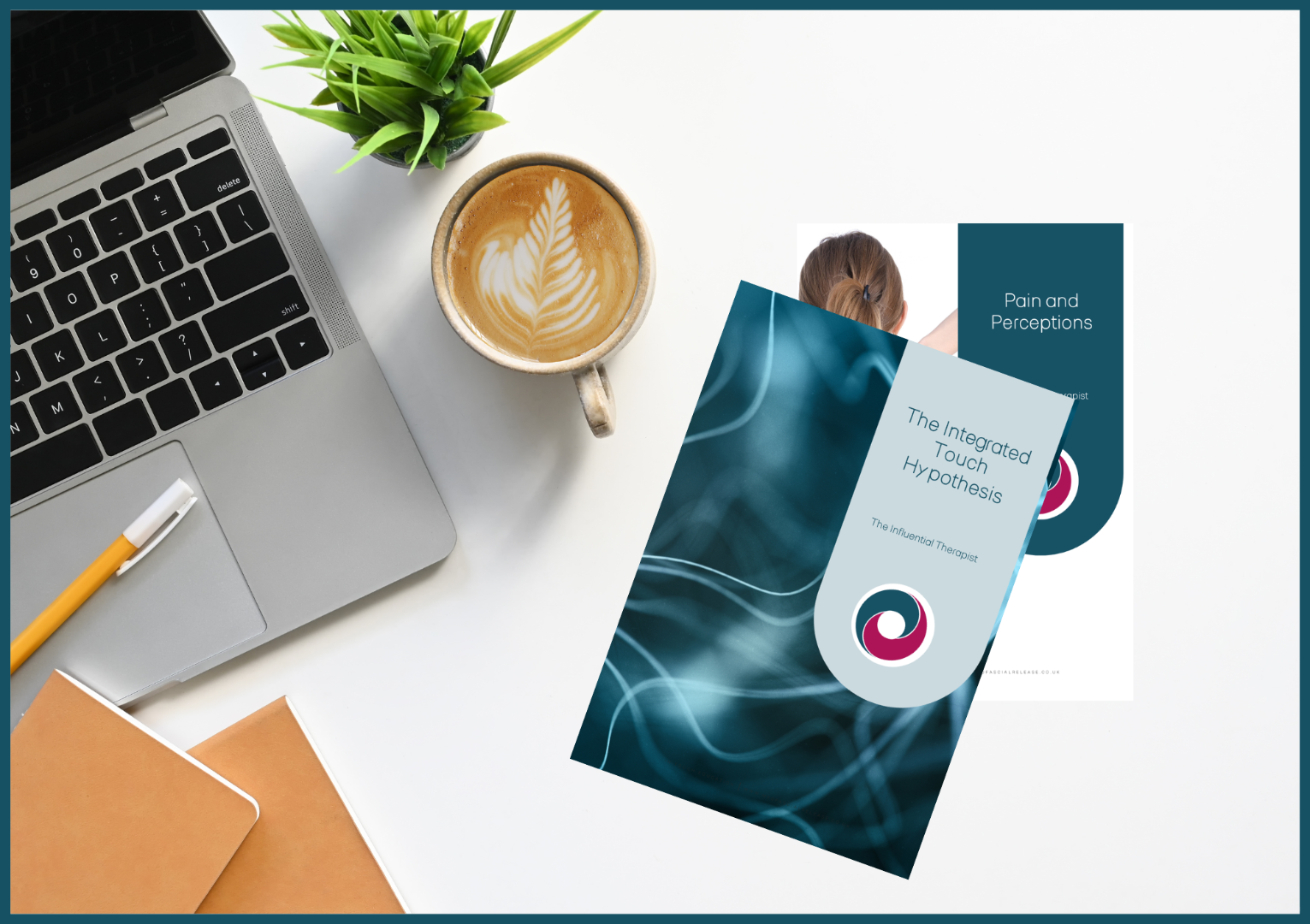
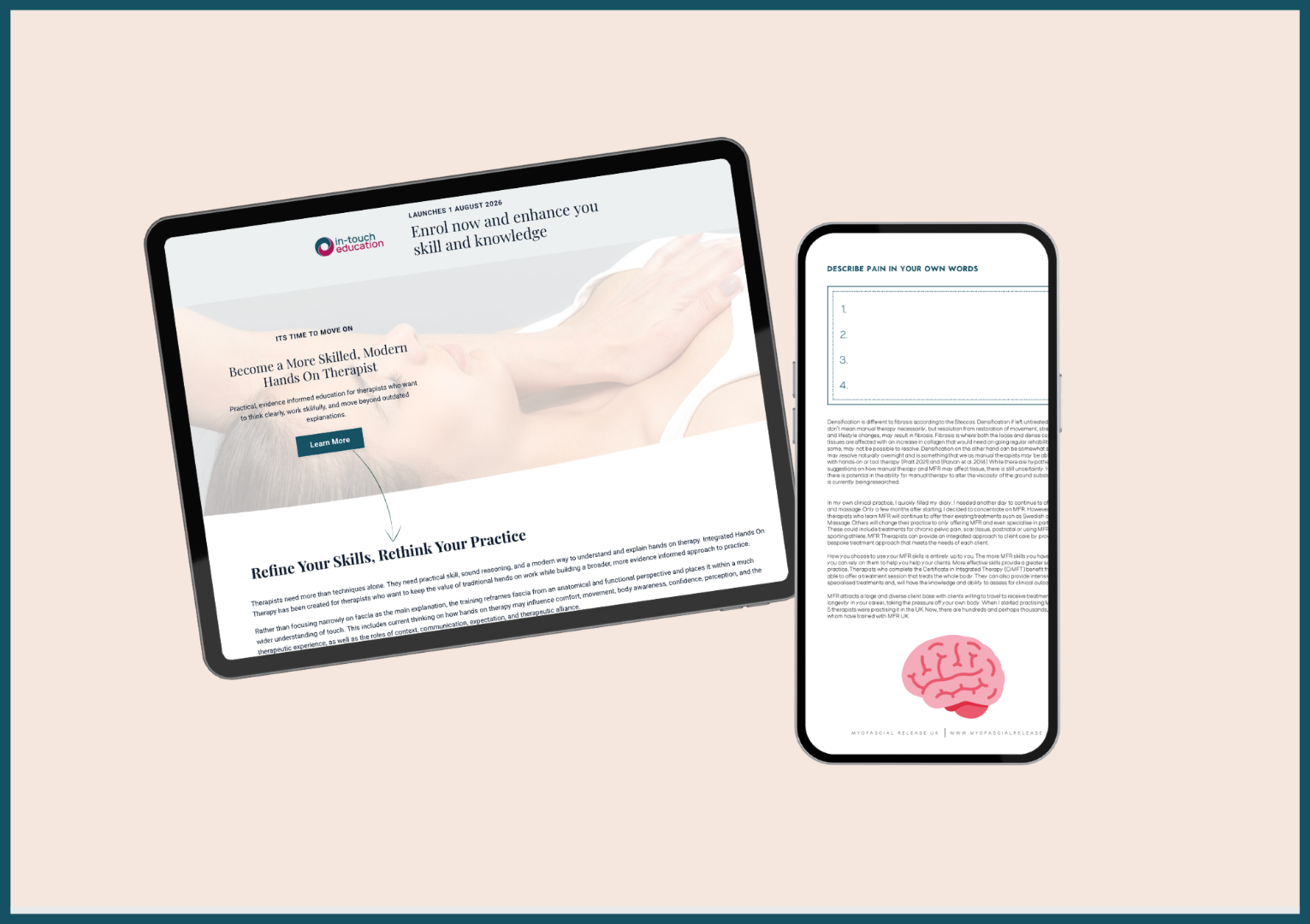
The workbooks keep the course content clear, organised, and easy to return to. Alongside online presentations, video tutorials, and in person workshops, you will have access to downloadable workbooks, giving you flexible ways to learn both online and offline.
Presentations
Unit presentations guide you through the content. Each presentation expands on the workbook material, helping you understand key ideas more clearly and apply them with greater confidence and ease in clinical practice.
Hands-On Workshops
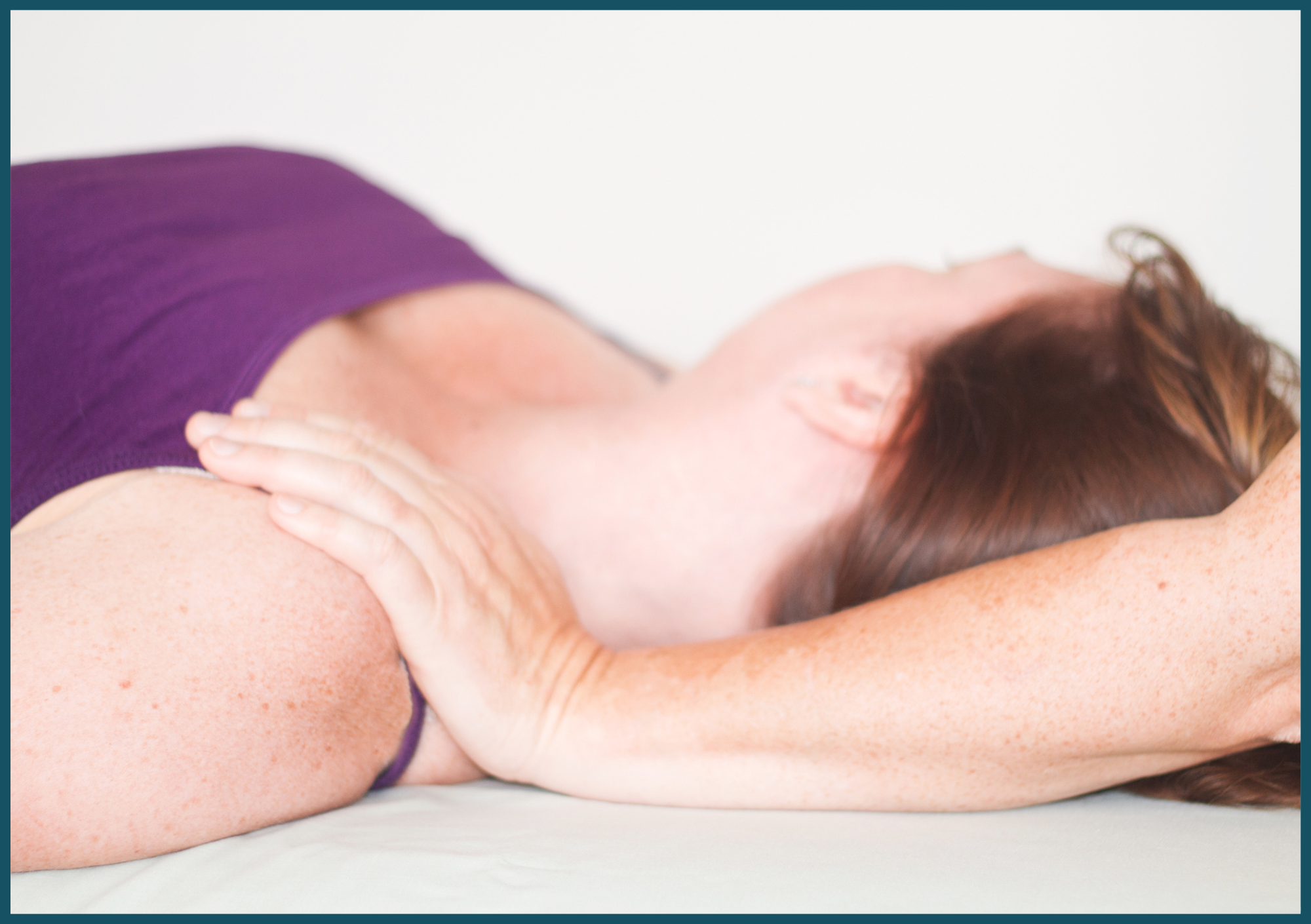
In person practical workshops is where learning comes to life. These hands on sessions help you refine contact, adapt techniques, build confidence, and translate the course material into safe, clear, and clinically useful everyday practice.
Integrated Hands On Therapy workshops - your training options...
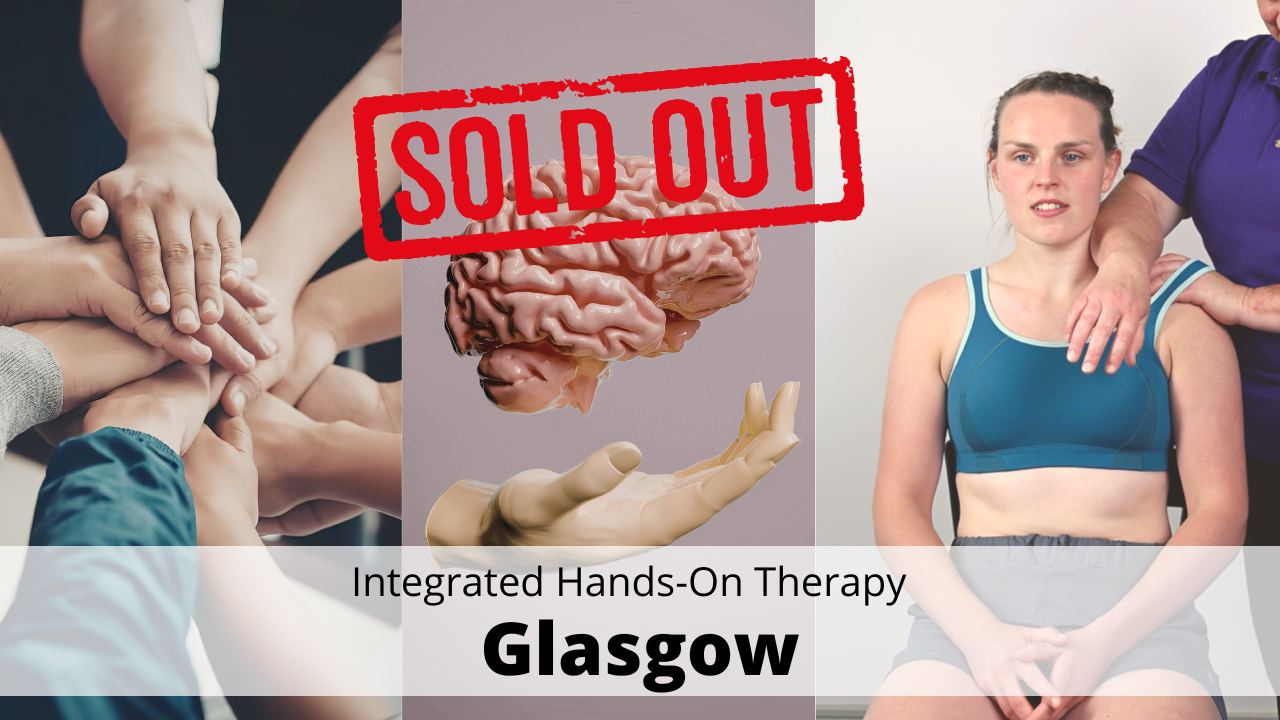
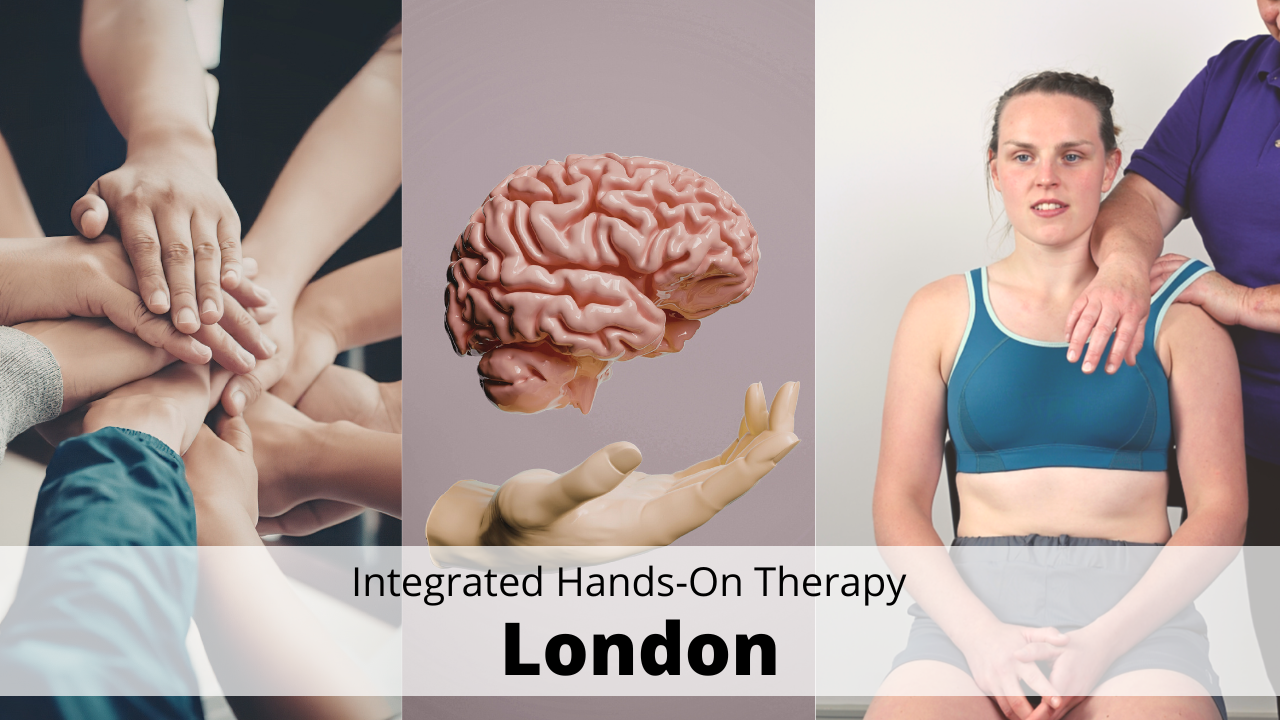
You can book the workshops on their own, or choose the full blended programme and deepen your learning through the online units. The in person workshops do not repeat the presentations. They build on them, giving you more depth, guided practice, and clinically useful soft tissue skills you can apply with confidence.
Check the dates and venues for workshops below, then book workshops only, or choose the blended option for depth.
- ONLINE COURSE CONTENT
- 30 hours of CPD
- In depth unit presentations and guided video content
- Downloadable workbooks for offline study
- Clear explanations of touch and sensory processing
- Modern perspectives on pain and perception
- Context, expectation, and therapeutic alliance
- Clinical reasoning for person centred practice
- Course content you can revisit in your own time
- Can be purchased separately - see below
- Payment plan available for the full course - see below
- IN-PERSON WORKSHOPS
- 4 day practical hands on workshop training
- Easy to apply soft tissue skills
- Guided demonstration and supervised practice
- Adapting techniques to the individual client
- Clearer contact, pressure, and pacing skills
- Translating theory into clinical application
- Building confidence through hands on learning
- Support with practical questions in the room
- Can be purchased separately - see below
- Payment plan available for the full course - see below

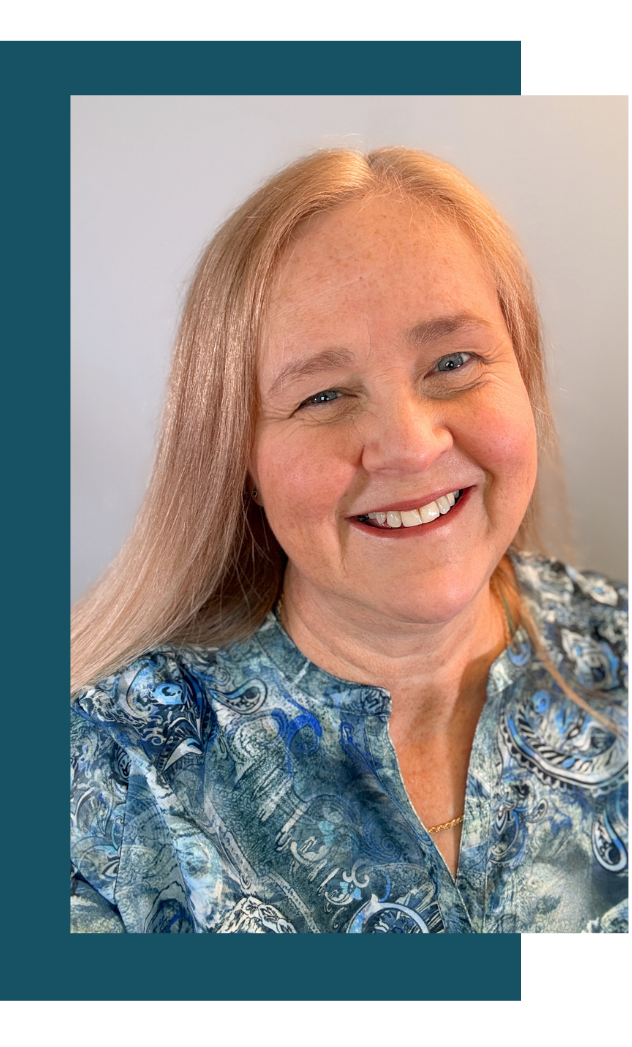
Hi, I'm Ruth,
From Ruth Duncan and Integrated Hands On Therapy. There is no doubt that hands on therapists are working in a changing profession, and many are now asking sharper questions about touch, pain, fascia, evidence, and what truly supports good clinical care. For those of us who value practical work, clear thinking, and honest communication, that shift is both necessary and overdue.
Many therapists have already adapted. They are building stronger reasoning, questioning traditional narratives, and looking for ways to practise that are more person centred, more collaborative, and more professionally credible. We became therapists because we value helping people feel supported, move with greater ease, and make sense of their own experience in safer, clearer ways.
Over the past few years, I have also reworked how I teach. Like many of you, I stepped back, reviewed what still stood up to scrutiny, and reshaped the training to reflect a broader, more current understanding of hands on therapy. I am still a massage therapist at heart, and I still care deeply about helping therapists grow in skill, confidence, and professional integrity.
I have spent a great deal of time developing training that goes beyond technique alone, so that I can offer you practical skills, stronger clinical reasoning, and a clearer way to explain what you do.
I want to show you that learning with us can be clear, flexible, and directly relevant to practice. With years of teaching experience behind it, this programme is designed to help you learn well, think more critically, and confidently integrate new ideas into everyday clinical work.
That is the value of modern, evidence informed learning.
What if I don't understand some of the theory?
Do I need to book both the in-person workshops and the online course content?
What if I don't have the time right now for the online course?
Will I be able to speak to Ruth to ask questions?
What's in the 4-day in-person workshops
Who can attend?
Are You Ready To Become A More Modern, Influential Therapist?
Build a Stronger, More Confident Practice
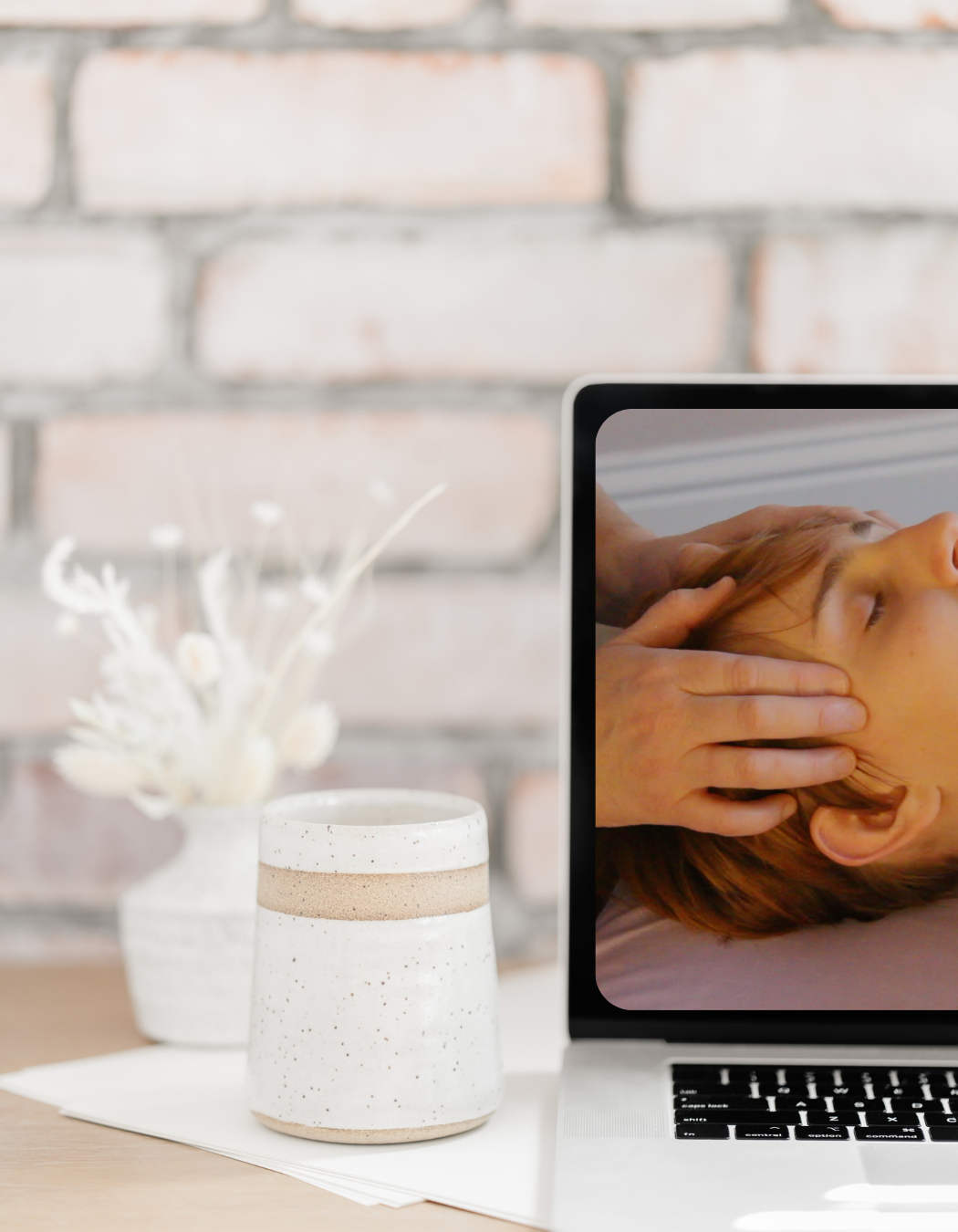
I want to show you how accessible it can be to learn practical, clinically useful hands on skills, whether from your own treatment room or at one of our workshop venues. One of the real advantages of online learning is that it gives you flexibility, without the added cost of travel or accommodation. You can work through the material in a way that fits around practice, home, and everyday life.
There is a great deal we can teach you, and the aim is not simply to add more techniques. It is to help you build confidence, refine your skills, and think more clearly when working with clients living with more complex, persistent, or chronic pain presentations.
Start learning with us and we will support you throughout the process, helping you apply what you learn with greater clarity, confidence, and clinical relevance. Seeing clients feel more comfortable, more capable, or more reassured is often where the value of this work becomes most clear.
Full Programme
Book your place today...
In-Person Only
Book your place today...
Online Only
Book your place today...