

Meet Ruth Duncan
Ruth Duncan is an international educator, author, speaker and professional standards leader in fascia, touch, pain science, perception and manual therapy education.
Her work brings together hands on practice, fascia science, pain science, interoception, clinical reasoning, curriculum development and professional standards. She helps therapists understand fascia as part of the whole person, not as a single tissue that can explain every treatment outcome.
Learn More
Ruth has taught in the UK and internationally, and has spoken at many trade shows, conferences and professional events across the UK.
She has trained with many influential international educators in fascia, myofascial release, manual therapy and pain science. Her particular strength lies in the development, teaching and professional evolution of myofascial release here in the UK.
Ruth was instrumental in bringing myofascial release approaches into wider UK manual therapy education and is a respected educator. Her current work builds on that foundation while moving beyond older explanations that describe therapy as simply releasing fascia, melting restrictions, breaking down adhesions or correcting the body from the outside.
Fascia is a body wide connective tissue network involved in structure, movement, force transmission and sensory experience. It is innervated, responsive and clinically relevant.
However, fascia does not function separately from the rest of the person. It works within a living organism that includes skin, nerves, muscles, immune responses, stress physiology, movement history, attention, expectation and perception.
Ruth teaches fascia with this wider context. A client may feel softer with a sense of release having occurred. They may also feel they can move better and have less pain after treatment, but that experience should not automatically be explained as fascia being released. Touch may also influence body awareness, muscle guarding, confidence, safety, prediction and the way the client makes sense of their body.
Fascia may be involved, but it is not acting alone.
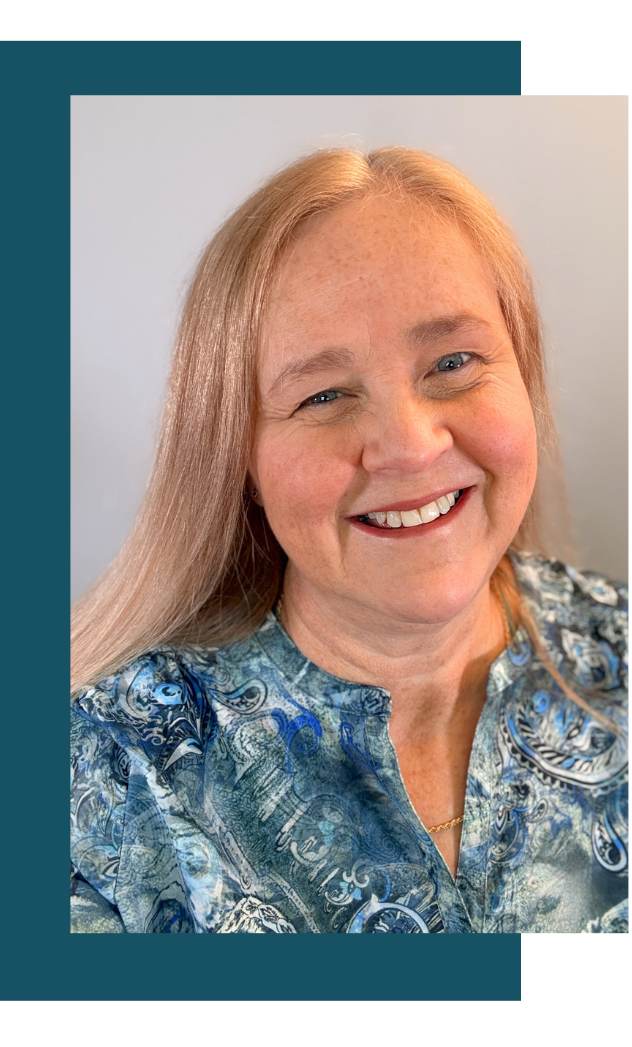
Hi, I'm Ruth,
I first entered healthcare through student nurse training, but visual challenges meant I was unable to complete that course. Although that was difficult at the time, it shaped the way I think about care, adaptation and human resilience.
I then spent around ten years working in travel, tourism and hospitality, including time in the United States. That experience taught me a great deal about people, communication and confidence, and eventually led me to Florida, where I completed my licensed massage therapy programme.
My early manual therapy training was strongly rooted in fascia based work and myofascial release. I saw clients describe feeling lighter, calmer, freer, more connected or more at ease after treatment, but I was always curious about why those responses occurred. Was this really only a fascia response, or was something wider happening through touch, perception, safety, context and the person’s own interpretation of their body?
That question has shaped much of my work. I have attended international fascia research congresses, myopain conferences and professional education events, and I have never felt it was enough to stay with one model, one teacher or one explanation. My work has developed by learning from different perspectives, testing ideas in practice, stepping back when needed, and becoming more objective about what we can reasonably claim.
Today, my work is still rooted in hands on therapy, but it has developed with the science. I teach fascia as part of a living, sensing and adapting organism, alongside skin, nerves, movement, perception, context, communication and the client’s lived experience.
One of Ruth’s key teaching points is simple. Therapists do not touch fascia first. They touch skin first.
Every hands on therapy interaction begins at the surface of the body. Skin contains sensory receptors that respond to pressure, stretch, temperature, movement and social touch. Beneath that surface, fascia, nerves, blood vessels, muscles and connective tissues all form part of the response.
This means manual therapy should not be described as a mechanical intervention applied to one tissue. Touch is an interaction with a whole person whose nervous system, previous experience, expectations, comfort, trust and sense of safety all shape the outcome.
Pain Science And Client Communication
Ruth teaches pain science in a way that is practical for hands on therapists and central to everyday practice. Her approach recognises that effective therapy is not only about what the therapist does with their hands, but also about assessment, client education, clinical reasoning, communication, therapeutic relationship and the client’s understanding of their own body.
Pain is not a simple signal from damaged tissue. It is a protective perception influenced by many factors, including tissue state, nociceptive input, stress, fatigue, fear, confidence, previous experience, expectation, movement history and perceived safety.
This changes the clinical conversation. Rather than telling clients their fascia is stuck, their posture is wrong or their tissue needs fixing, Ruth helps therapists use clear, accurate and reassuring language that reduces fear, supports confidence and demystifies pain. For Ruth, better language leads to better therapy, helping therapists support people with more clarity and less fear.

25 Years Experience

Leading Educator

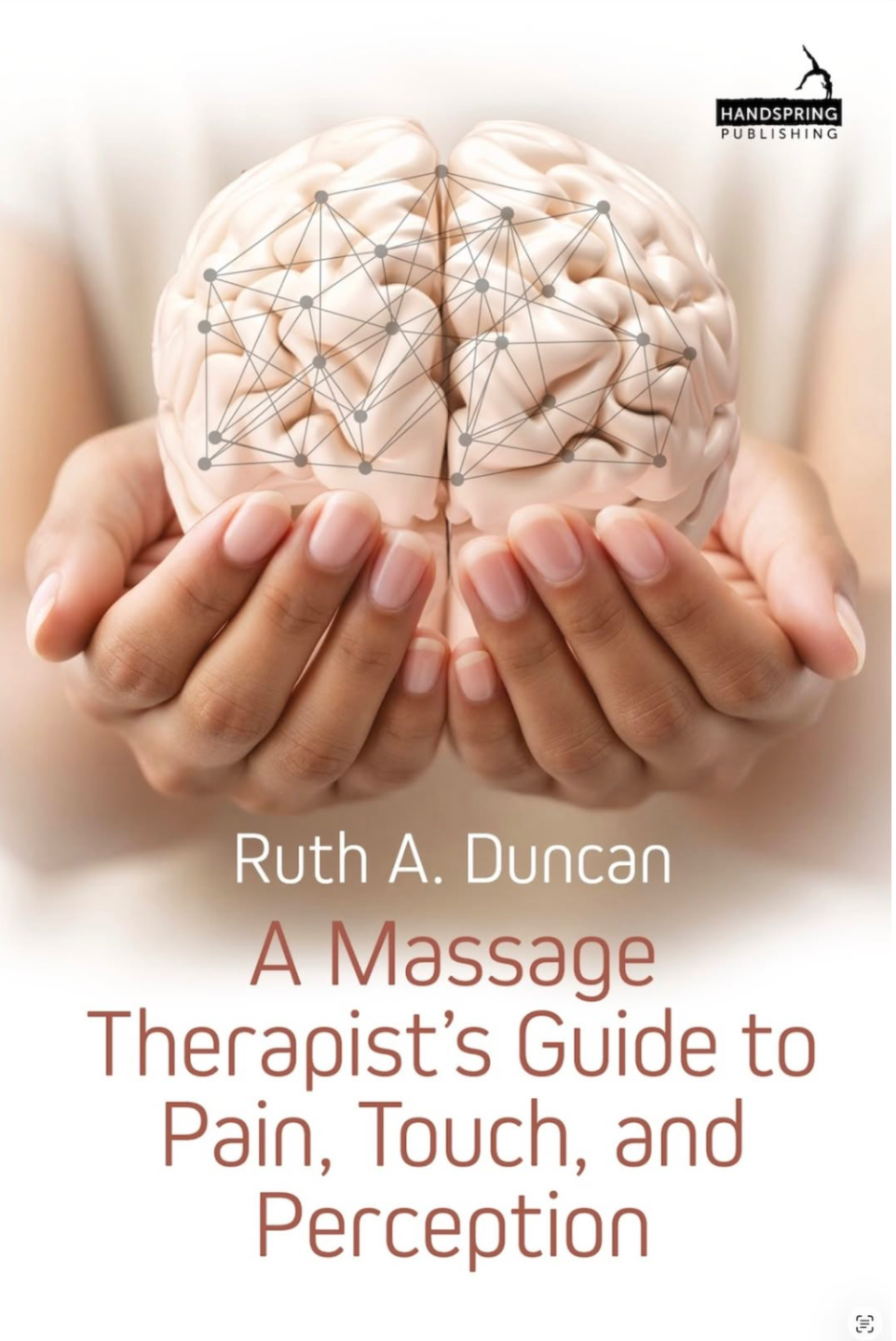
Author of Pain, Touch & Perception
Standards & curriculum development
-
Curriculum review that looks beyond learning outcomes and considers the quality, accuracy and relevance of what is being taught.
-
Evidence informed course development for schools, educators and training providers who want their teaching to reflect current science and professional standards.
- Support with reviewing explanations, claims, teaching models and clinical reasoning, especially around fascia, touch, pain and manual therapy effects.
- Clear guidance on where course material can be strengthened, updated and made more professionally robust.
For schools, educators & therapists
-
Experience updating course curricula for Massage School curriculum and offers a practical understanding of qualification based teaching.
-
Educational consultancy in massage, myofascial release, soft tissue therapy, touch, pain science, anatomy, physiology, cautions, contraindications and clinical reasoning..
-
A balanced approach that keeps the skill, experience and identity of manual therapy while updating outdated explanations.
-
Support for educators who want to place clinical experience, therapist observation and client feedback alongside current scientific understanding.
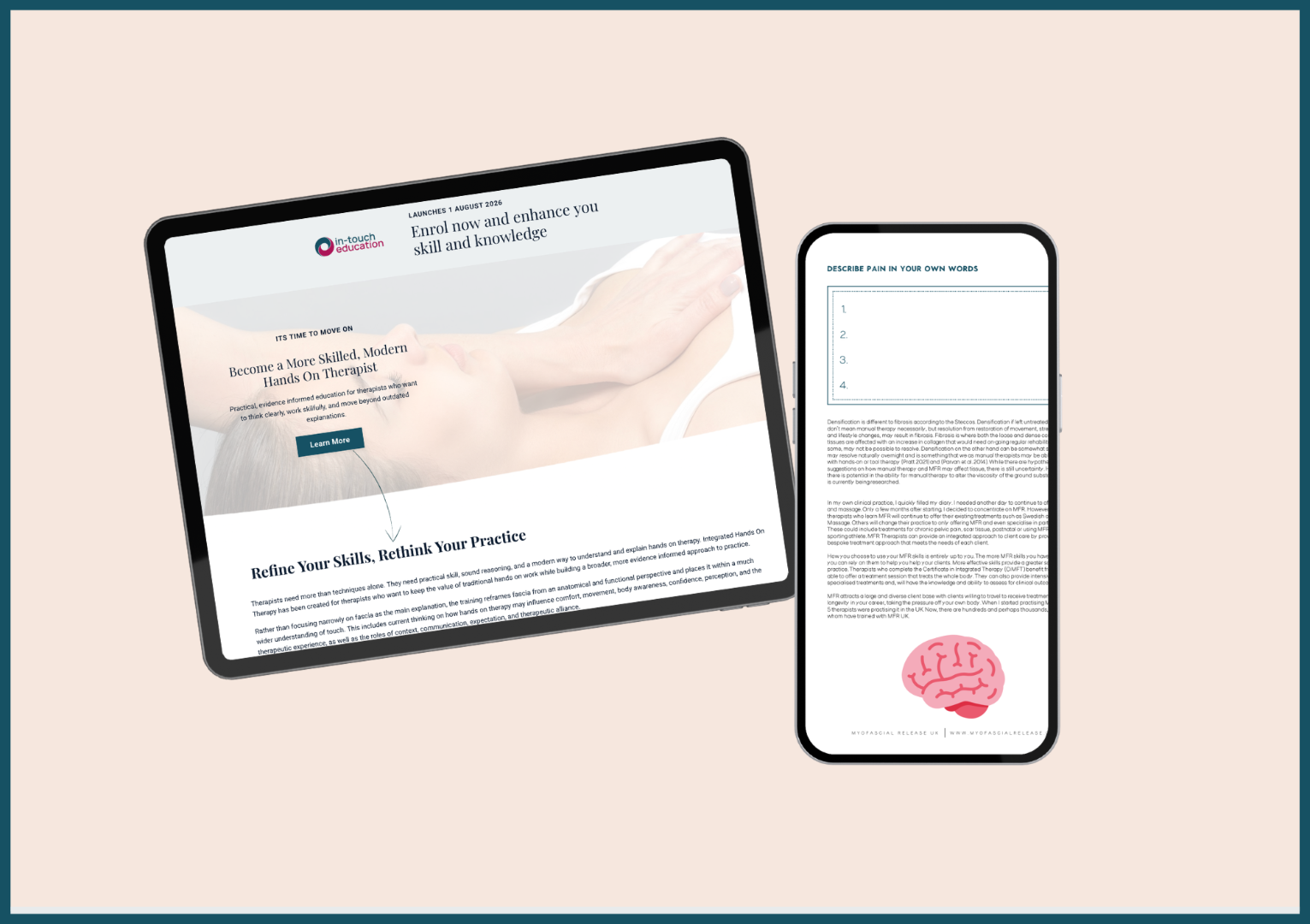
What Ruth brings to the profession...
- A first class BSc (Hons) in Health Sciences and postgraduate study in pain science, connecting practical hands on therapy with current thinking in pain, perception, interoception, touch and manual therapy.
- Appreciation of evidence based practice in healthcare, with a clear focus on balancing clinical experience, client values and research evidence while questioning overconfident anecdotal claims.
- Professional leadership as Chair of the General Council for Manual Therapies and Vice Chair of the Scottish Manual Therapists Organisation, with direct experience in standards, education, public protection and evidence informed practice.
- A commitment to helping therapists think more clearly, communicate more confidently and represent the profession with greater credibility.
- Authorship of the forthcoming book, ‘A Massage Therapist’s Guide to Pain, Touch and Perception’, to be published by Handspring Publishing in autumn 2026.
- An approach that brings together clinical experience, fascia, touch, pain science and clear professional education, while challenging outdated ideas that pain is located only in damaged tissue.
- A modern way to understand touch, perception, protection and client experience, so hands on therapy can be explained with more accuracy, confidence and care.
- Ruth is also the author of 'A Hands-On Guide to Myofascial Release' published by Human Kinetics now in it's 2nd edition.
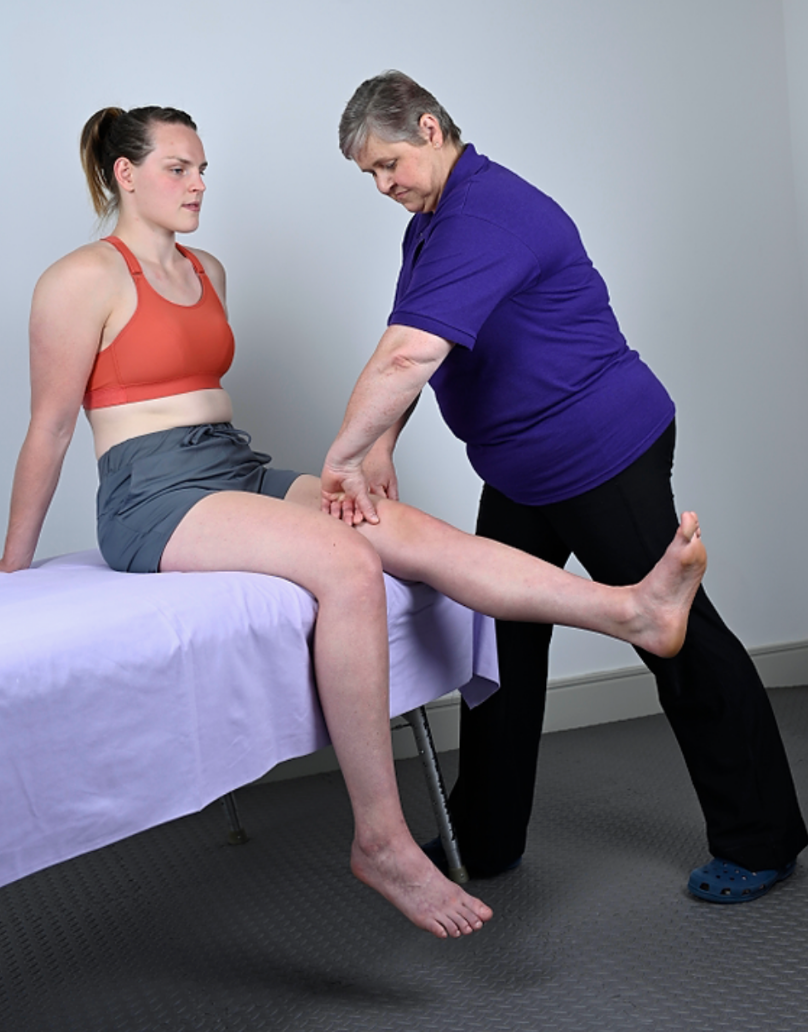
NOW IS THE TIME TO GET STARTED!
Ruth’s courses bring together hands on therapy, pain science, perception and clear clinical reasoning, helping therapists update their explanations without losing the value of skilled touch.
Book a course to strengthen your practice, or email Ruth to discuss curriculum review, course development and consultancy for schools, educators and training providers.
BOOK A COURSE NOW! ONLINE IN-PERSON COURSES